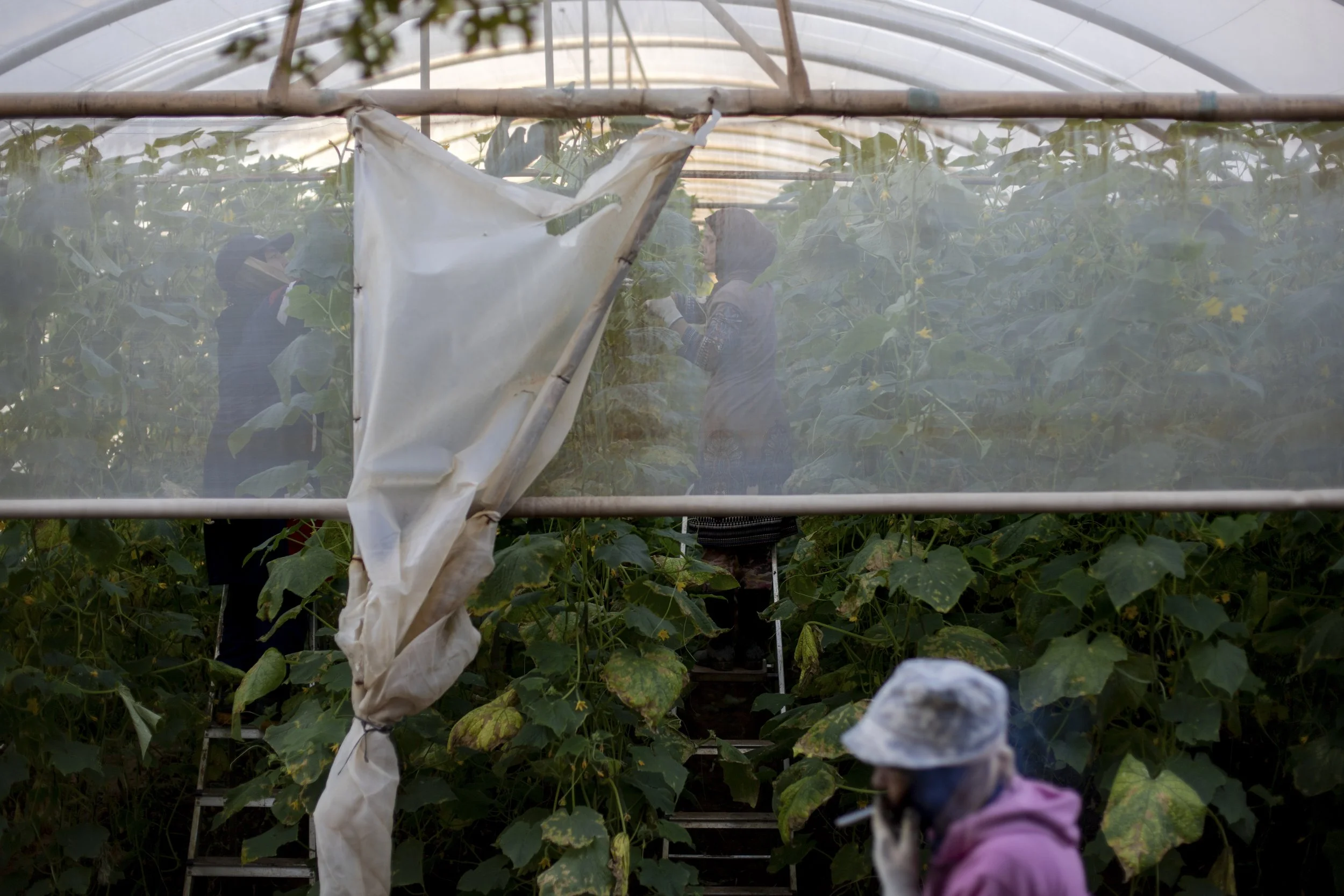
Warde, Fatma, and Munira begin their workday at 6 a.m., taking advantage of the coolest hours of the morning. On this day, they prune and clear away dead leaves and roots from the cucumber plants growing in the greenhouses. The sisters left Syria more than 13 years ago, fleeing bombing in Idlib. They arrived in Damour and have lived and worked on this land ever since. For them, as for many Syrian refugees, agricultural labor became a lifeline.
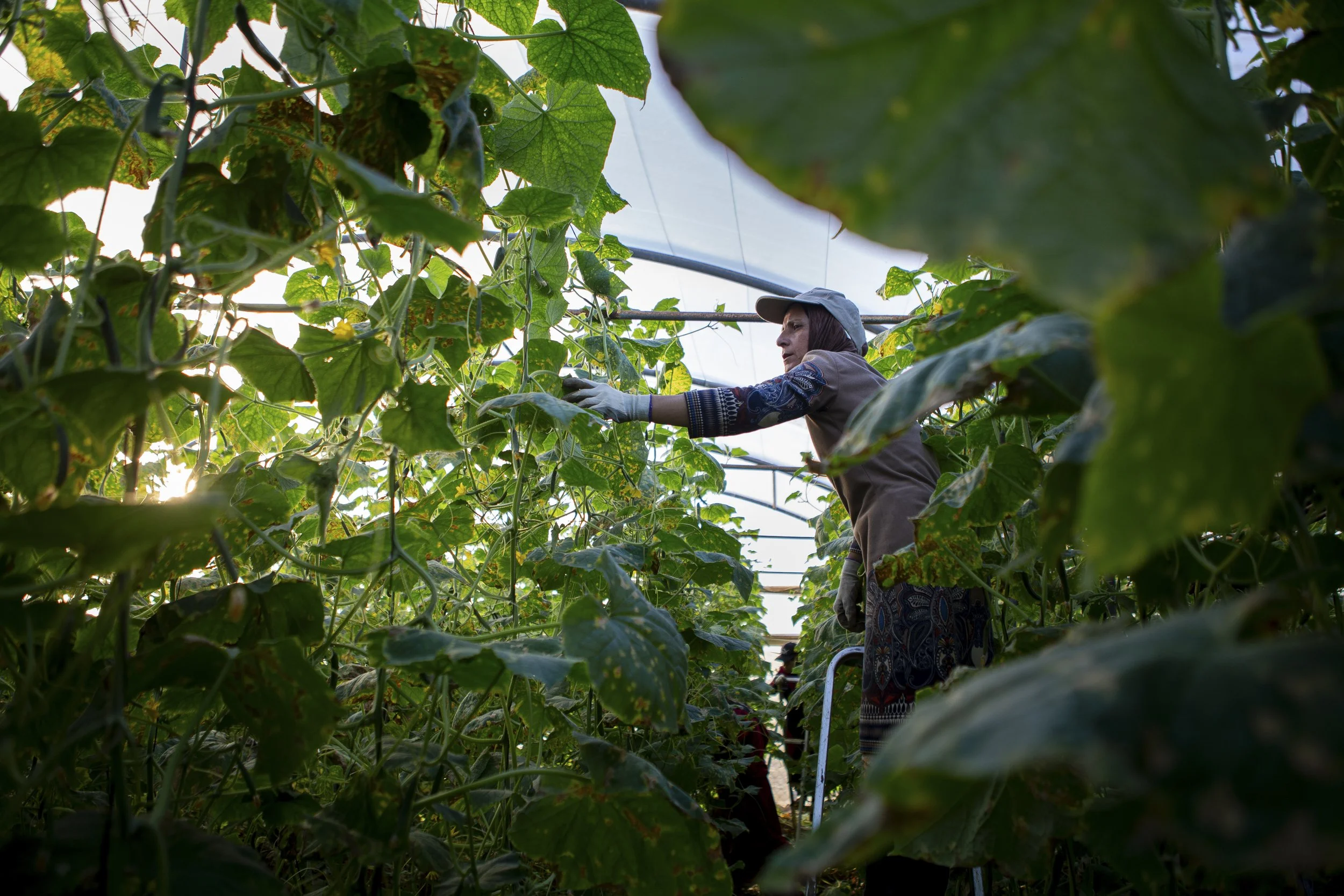
Warde picks away dead leaves and roots from the cucumber plants—part of her daily routine in the greenhouse. Though they come from a farming family in Syria, it was the women who took on most of the manual labor after arriving in Lebanon. “What can you do?” she says. “There is a lot of work that needs done. And if you don’t work, you can’t live.”
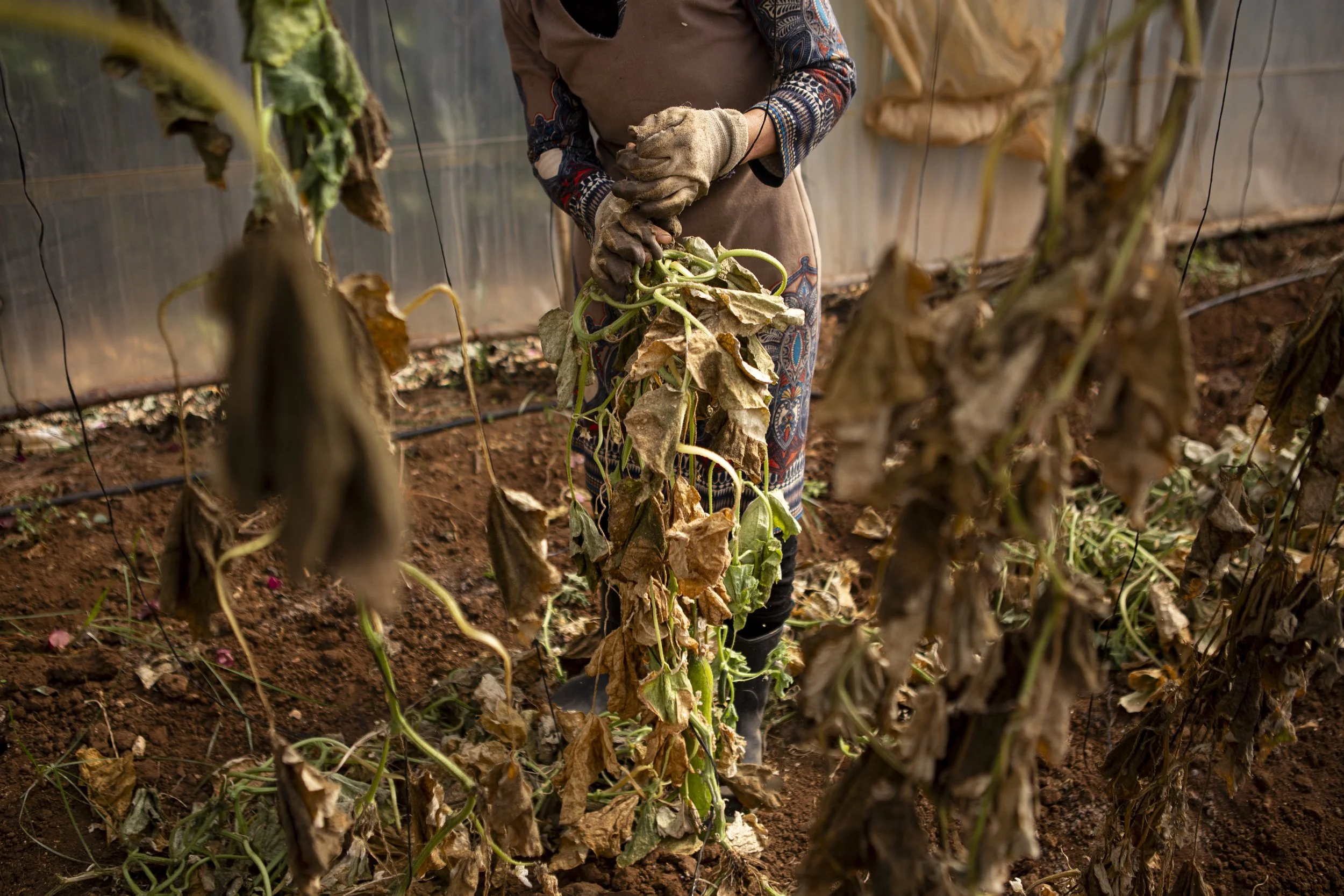
Warde clears away the dead and rotting cucumber plants. After more than six months of planting and harvesting, the cucumber season has come to an end. In the days ahead, she and her sisters will begin preparing the land for a new crop.
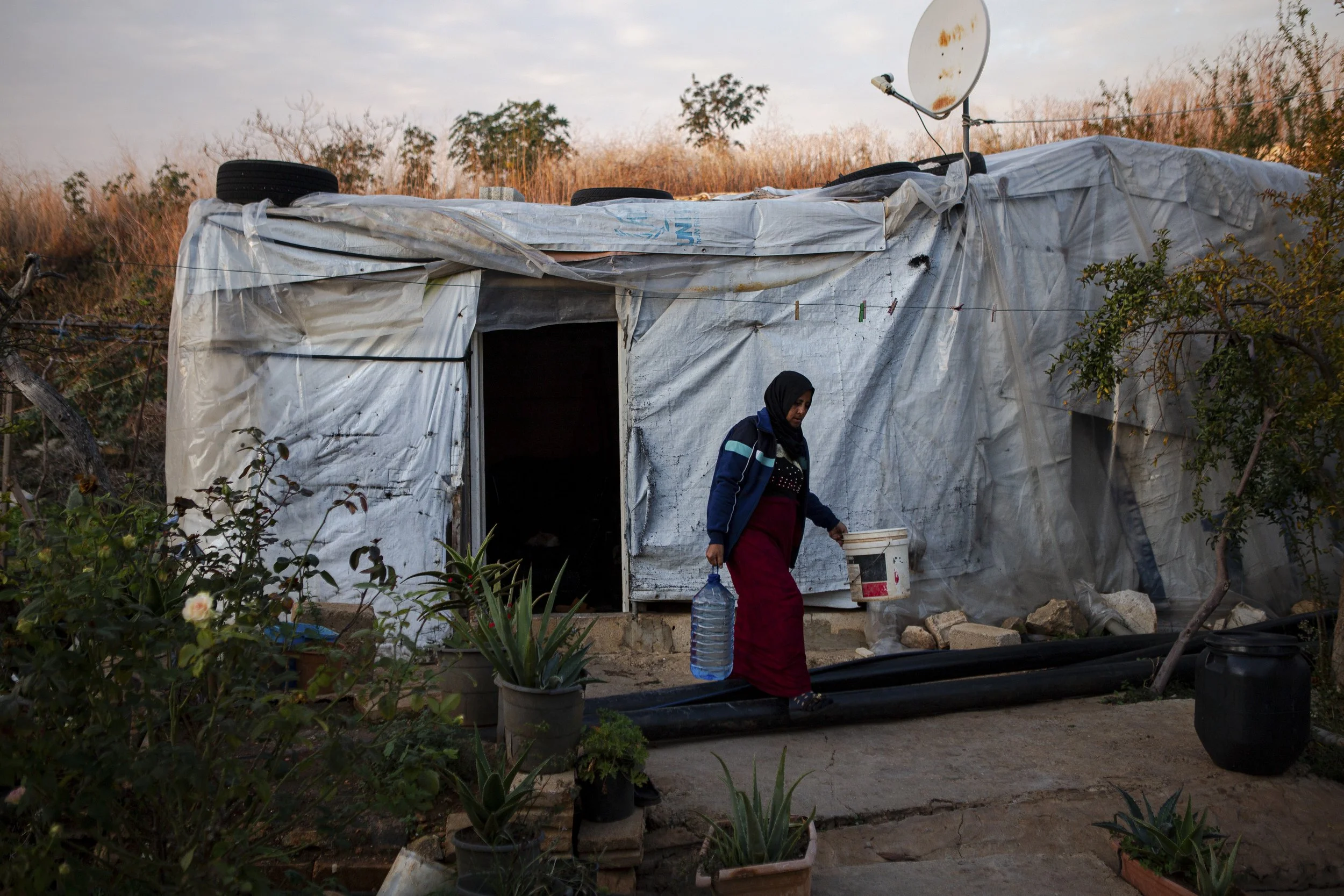
Ghazieye lifts a container of water from her tented shelter to bring to the kitchen, where her sister is cooking. She and her sisters built the shelter more than 10 years ago using UNHCR canvas, plastic sheets, tires, and wood — a space originally made for Ghazieye’s four children. During the day, the family uses it as a place to cook, study, rest, and play. But at night, they sleep in the cellar of the farm’s storehouse, where a bolted door offers a greater sense of safety.
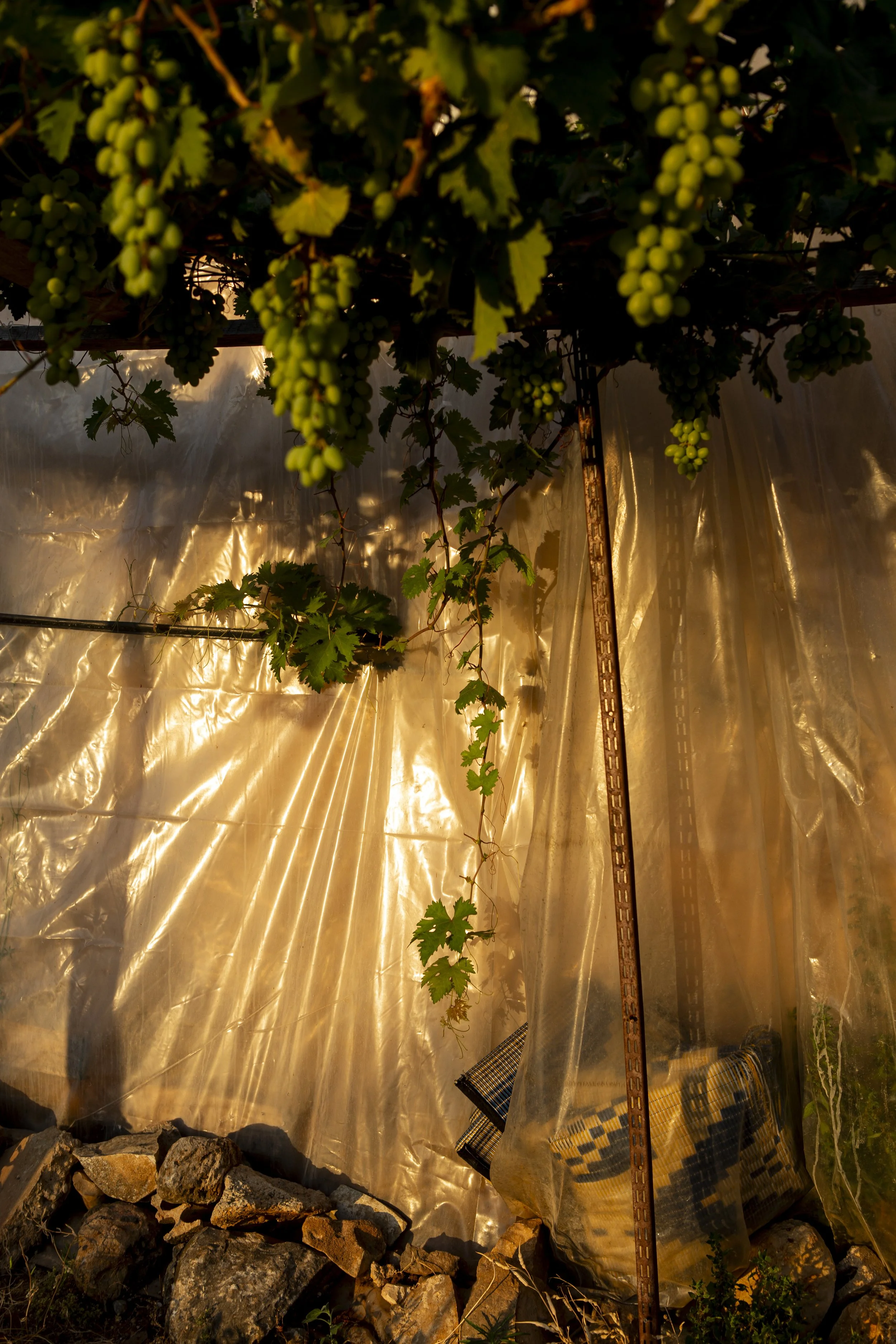
Grape vines hang from the canopy attached to the tented shelter where Ghaziye and her children live. Sunlight filters through onto the plastic sheeting that covers the structure. The grapes are not yet ready for harvest — their season is still to come.
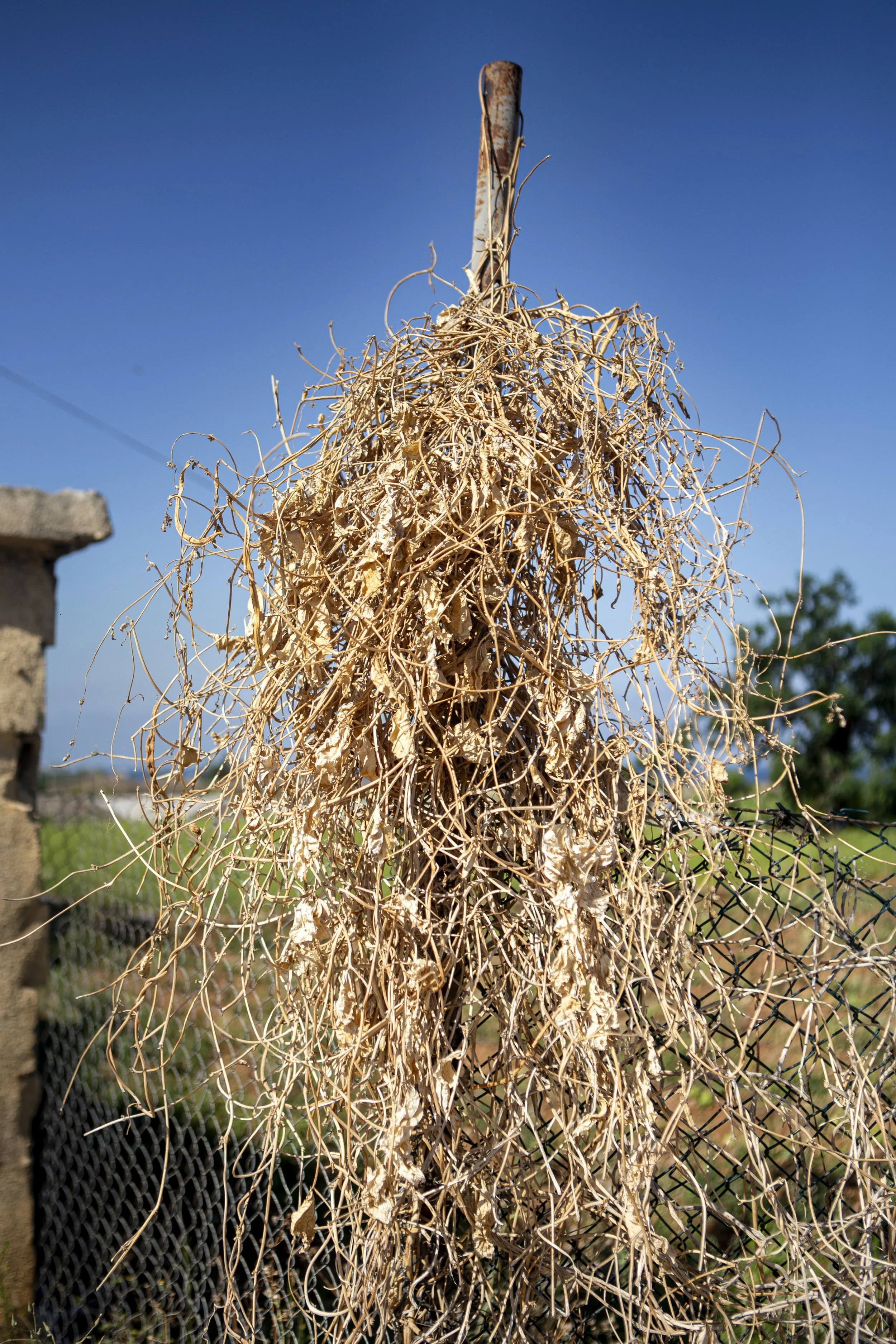
The neighbours land was previously cared for by a Syrian family who returned to their homeland in February 2025 after the fall of President Assad. Since their departure, weeds and wild plants have begun to take over.

Ghazieye and Mariam sit with a guest — a young Syrian neighbour who has come to visit. As they wait to share coffee, the conversation turns to the topic of return. 'Everyone is going back to Syria,' the young man says, adding that he hopes to leave soon, as 'there are no job opportunities here in Lebanon.' Mariam gently counters, 'Not everyone — maybe 90%,' but Ghazieye nods, 'Yes, everyone.' The discussion continues, back and forth, as the coffee brews.
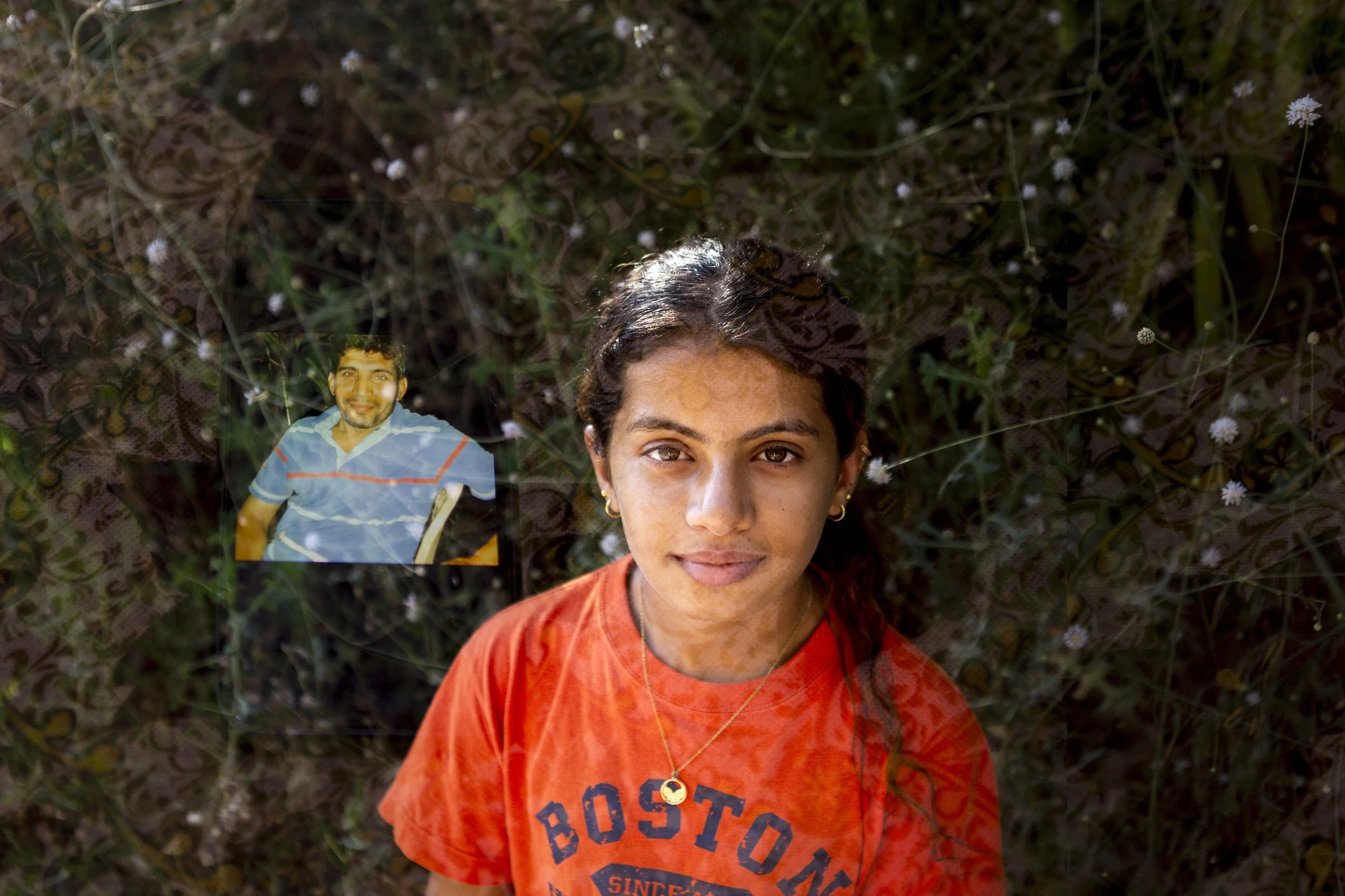
A portrait of Ghazieye’s daughter is overlaid with a mobile photo of her late father, who passed away when she was only a few months old. Though she never knew him, Ghazieye often says that, of all her children, she resembles him the most. Her father died in Lebanon, and, unable to return to Syria, Ghazieye buried him in a small plot of land in the Beqaa Valley. “If we returned,” she says, “it would be much harder to visit him.”
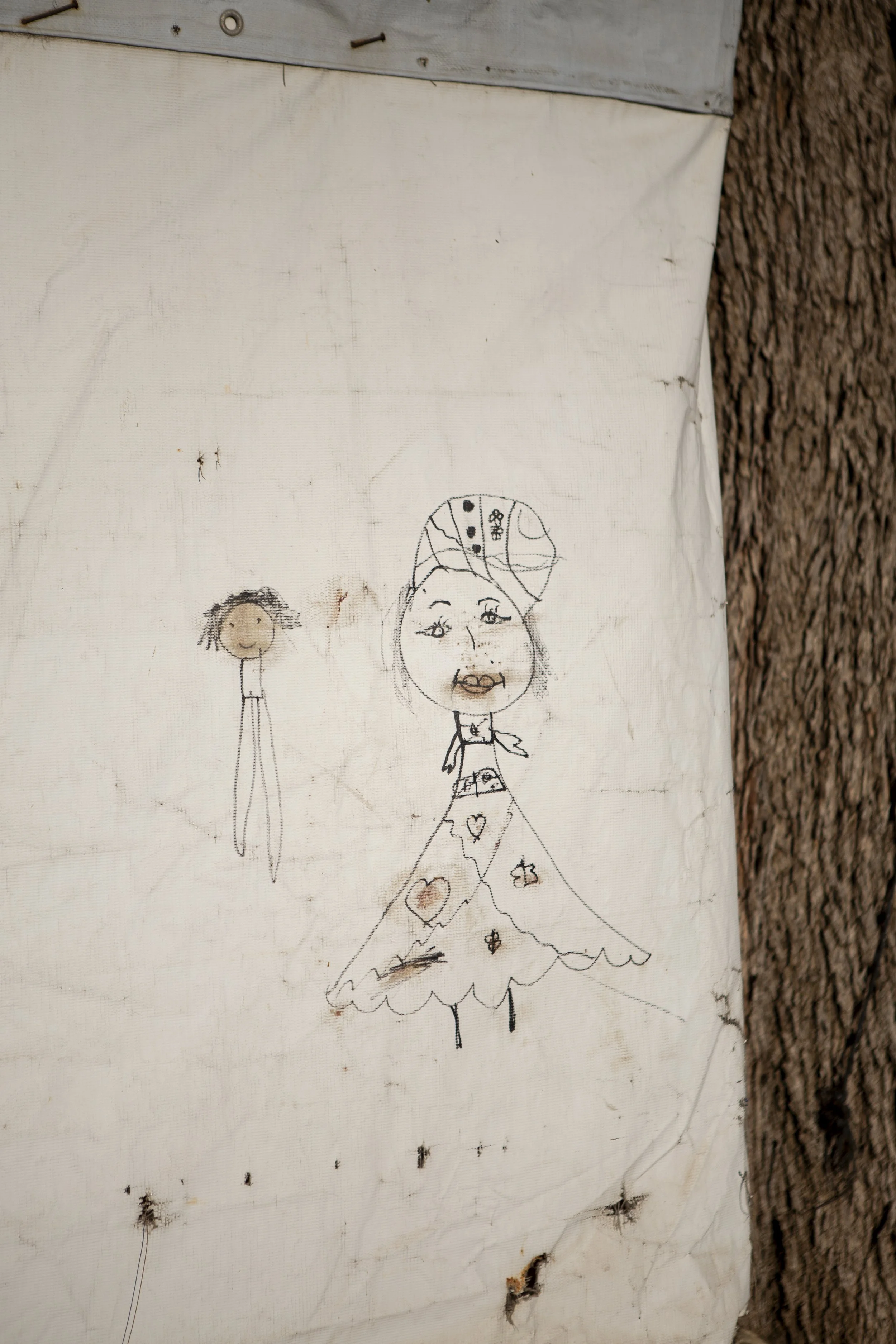
The children of Mariam’s neighbours have drawn figures on their tent. These neighbours are among the few families still remaining. Once a lively informal settlement for Syrian refugees, the area has gradually emptied leaving behind traces.
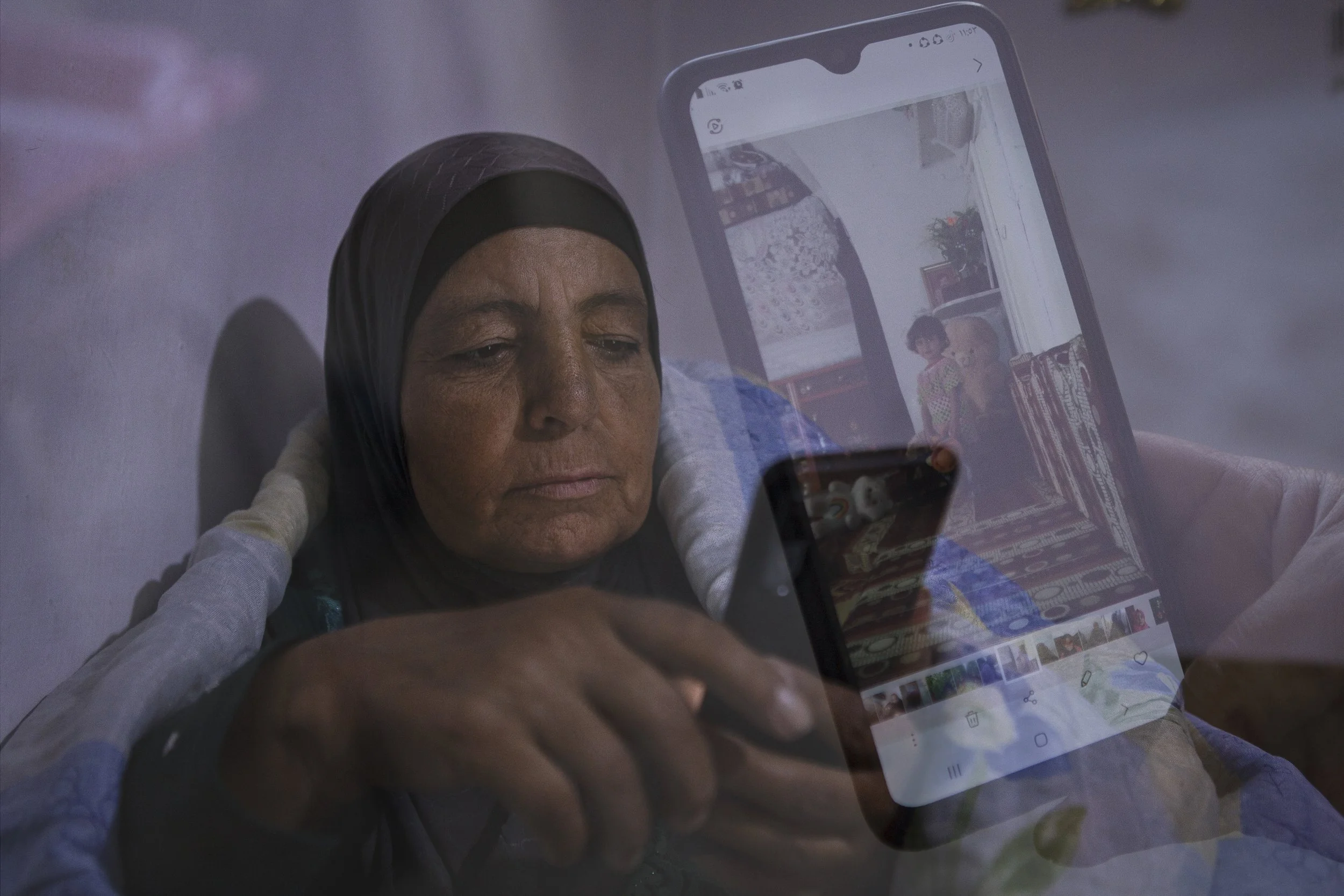
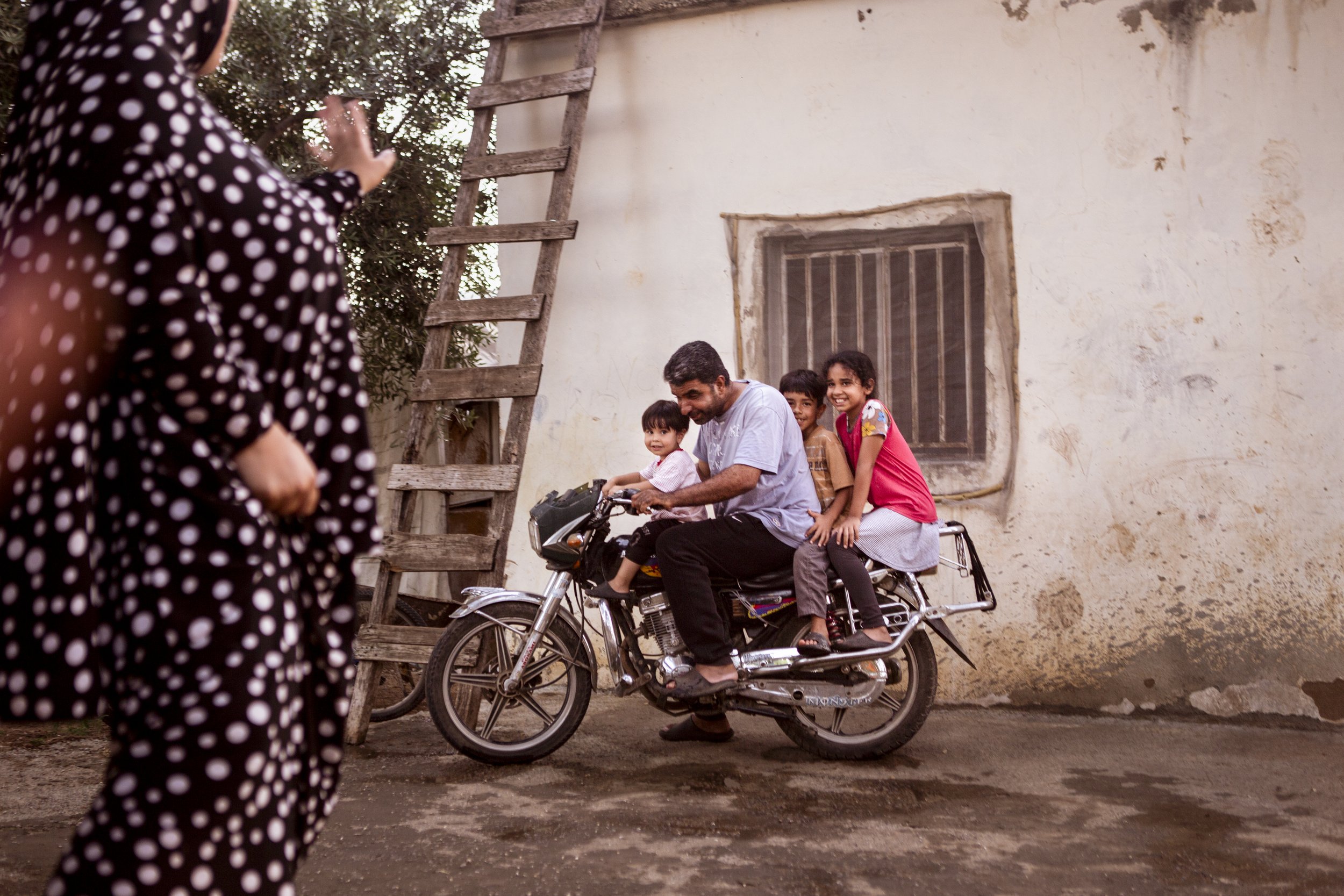
Fatma scrolls through the news on her phone — a nightly ritual since the fall of Assad, in search of signs of change and hope. This photo was taken in December 2024, after Assad’s fall reignited the possibility of return for millions of Syrians around the world. Overlaid is a mobile image of her home in Idlib, along with a recent photo of her niece, taken in July. While many of her siblings’ homes were destroyed, a few — like the one pictured — still stand.
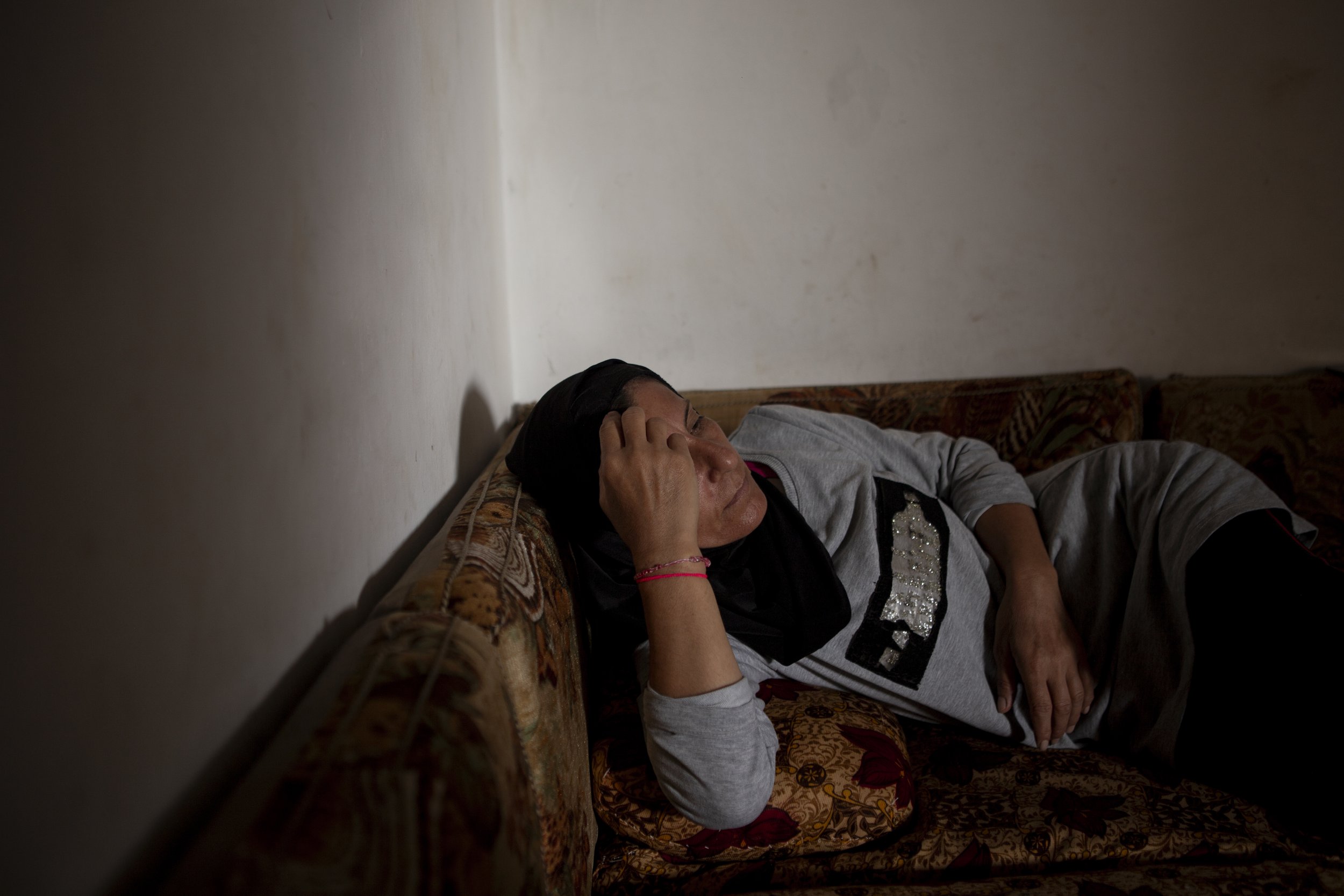
Warde rests at home after an early morning spent working in the greenhouse and preparing breakfast for the entire family. During the hottest hours of the day, she takes time to recover before returning in the evening to work alongside her sisters. It’s a rhythm she knows well — one she has grown used to over more than 13 years of living and working on this land.
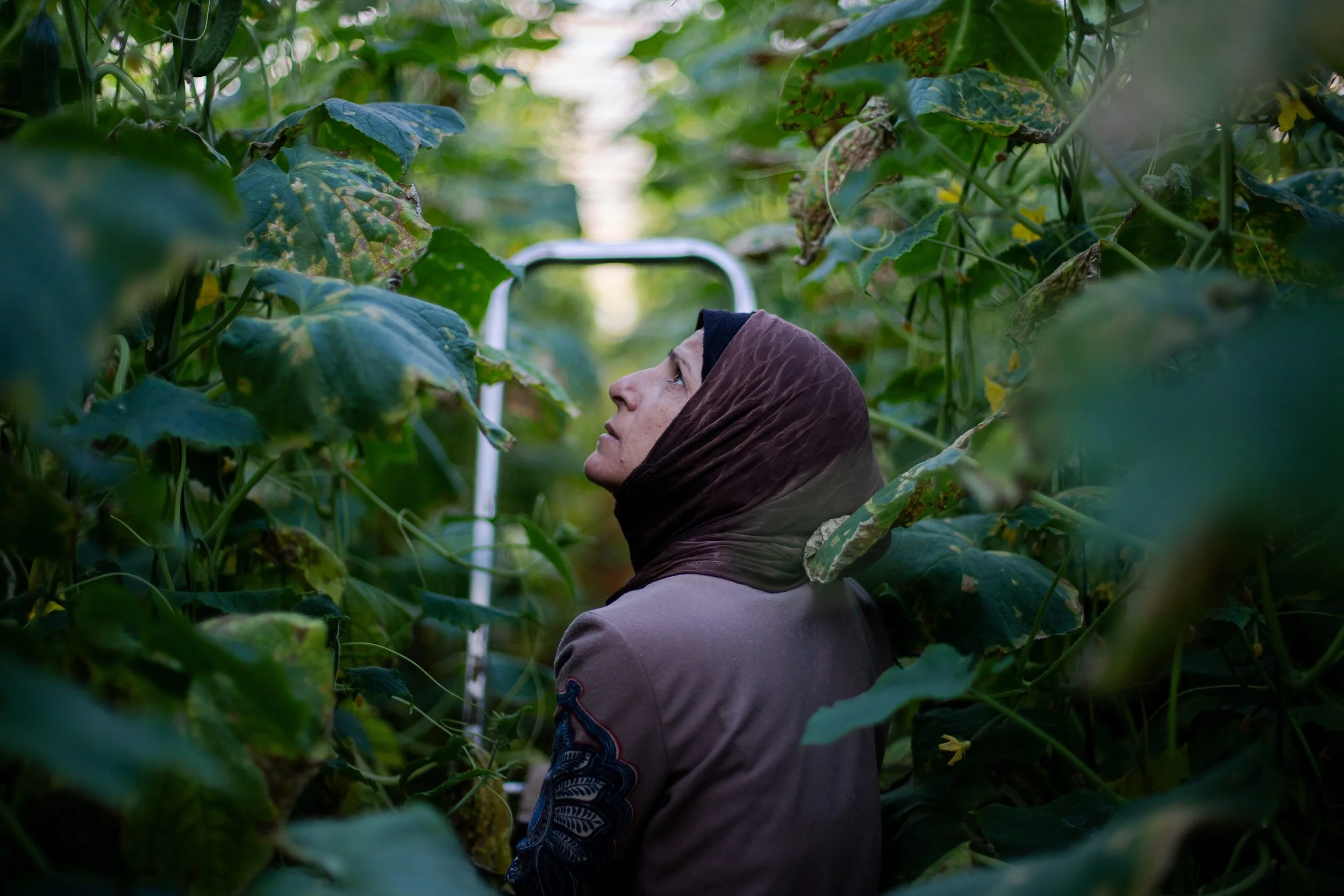
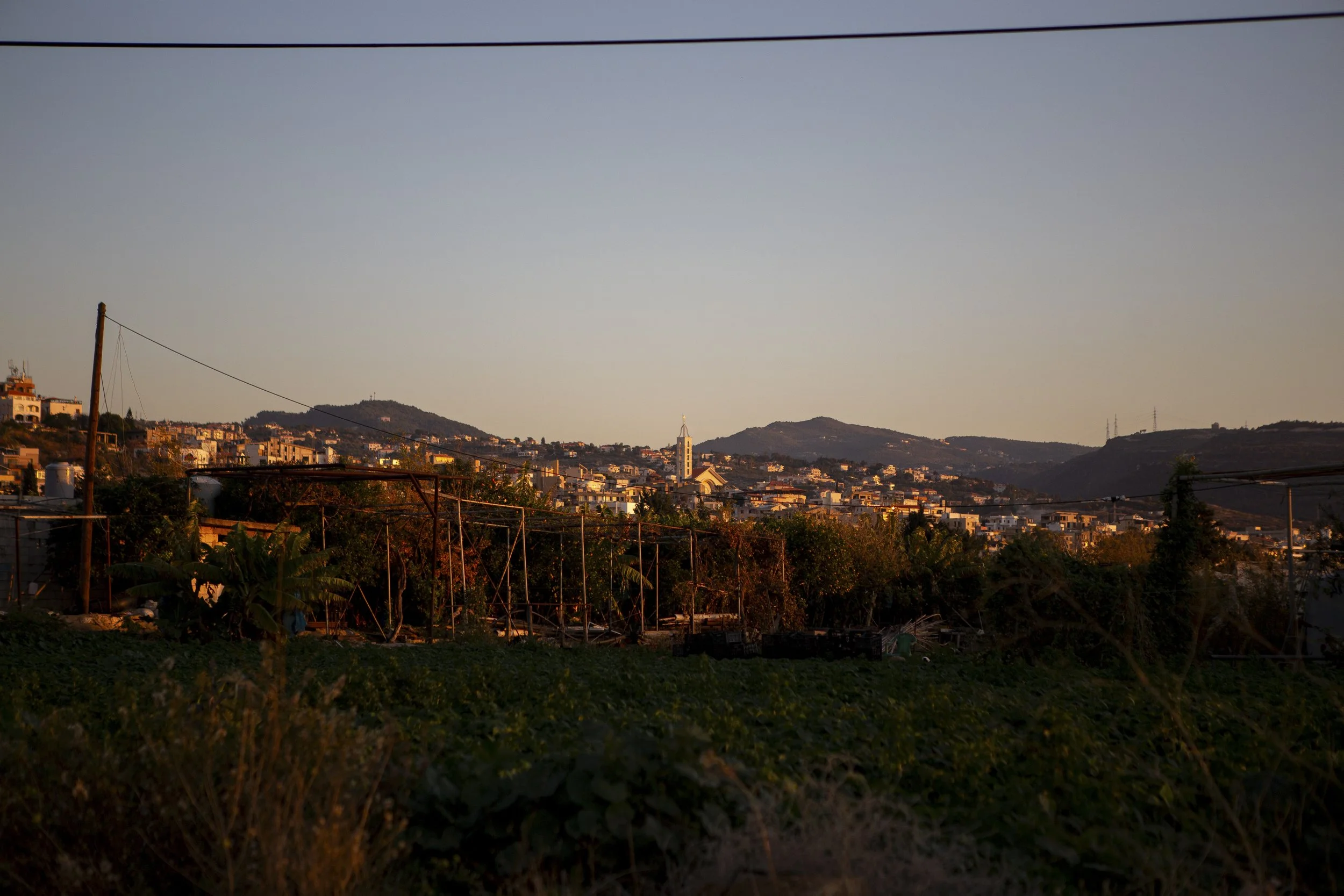
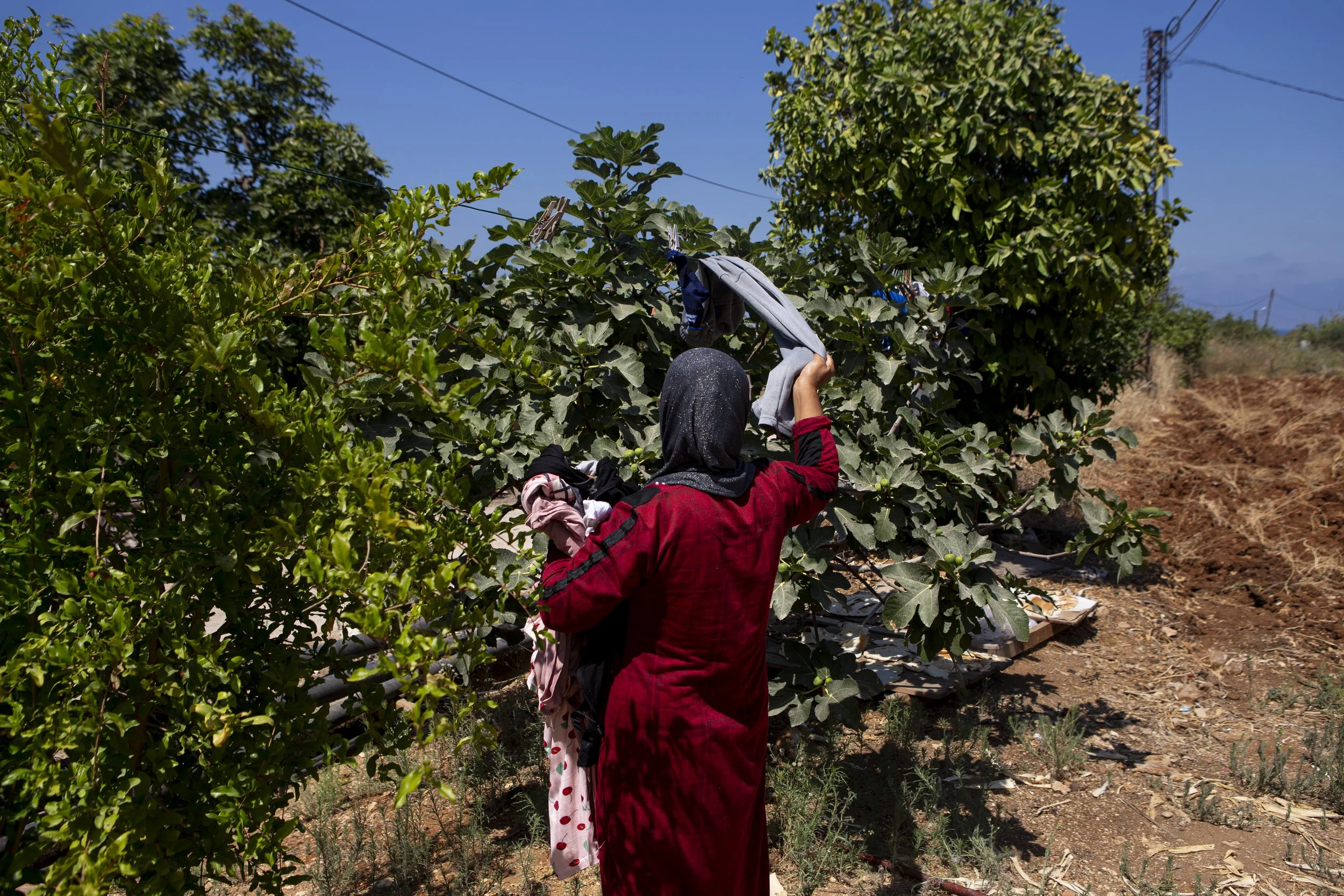
A view of Damour from the greenhouses and surrounding farmland. Historically a Christian area of Lebanon, Damour—like much of the country—has seen growing anti-refugee sentiment in recent years, driven by strained infrastructure, economic hardship, war, and shifting demographics. Despite this, Warde, Ghazieye, their sisters, and extended family still feel a sense of stability and home.
Staying (2025), Lebanon
In the plantations of Damour, Ghazieye, her three sisters, and her four children have taken root.
They fled Syria over thirteen years ago, leaving Idlib for the Bekaa Valley, before finally settling near the shores of Damour. Ghazieye’s husband died after consuming poisoned fish, leaving her a widow with a month-old child. He was buried in the Bekaa Valley— as close as she and her children could get to Syria at the time. To leave would mean leaving him behind.
In 2025, following Assad’s fall, the United Nations estimates that over 1.5 million Syrian refugees will return home. In Lebanon, NGOs and government agencies are promoting this return, hoping it will ease pressure on an already strained infrastructure. Yet for many families, including Ghazieye’s, returning is anything but simple.